



Types of Molds

Alternaria

This mold is commonly found in the air from late spring into fall. It is at its daily peak from noon until 3 P.M. It grows in the soil and on the leaves, stems, flowers and fruit of many vegetables, cereal grains. and flowering plants. For example, it is found on tomato plants, beans, cabbage and chrysanthemums.

Aspergillis

This is commonly found in the soil. It also grows on food stored under damp conditions. One type is common on wet surfaces in bathrooms and in drip pans of refrigerators and other appliances. This is commonly called mildew.


Cladosporium

(Hormodendrium) The spores of this mold are very common in large numbers in the air. The highest levels occur from midsummer through December. The daily peak is from 11 A.M. to 3 P.M. This mold grows in the soil, on dead leaves and may even be found on the leaves of some living plants.

Soap and green cloth on a small wall-mounted shelf against pink tiled wall
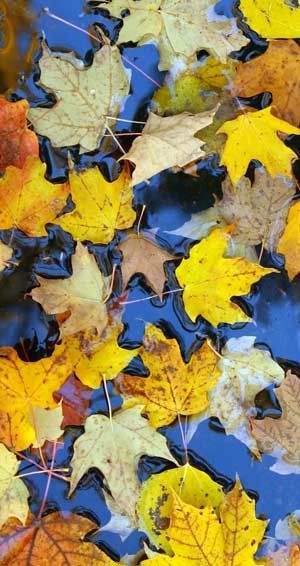
Yellow and brown autumn leaves scattered on a bright blue surface

Fusariuim

This mold is often produced in a slimy mass and requires water splashing to get into the air. For this reason, it is most common in the air after rain. Many types of this are found on vegetable and field crops. This mold can be released into the air from infected grasses, cereals and stored fruits and vegetables (ex. tomatoes, potatoes and cucumbers).


Penicillium

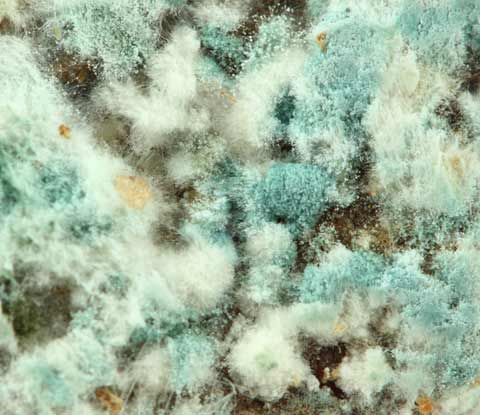
Groups of this mold are often blue or green in color and may be seen on citrus fruits, jams, bread, apples and leather in the home. This mold is plentiful inside houses during winter. It peaks around 2 P.M. IT SHOULD BE NOTED THAT AN ALLERGY TO THIS MOLD DOES NOT INDICATE AN ALLERGY TO THE MEDICATION PENICILLIN

Moldy white, blue, and green fuzzy texture filling the frame
Assorted yellow flowers, herbs, and supplement capsules on a yellow background
August 6, 2026
Discover how biologic medications (monoclonal antibodies) target severe asthma, eczema, nasal polyps, EoE, and hives. Learn if biologics are right for you.
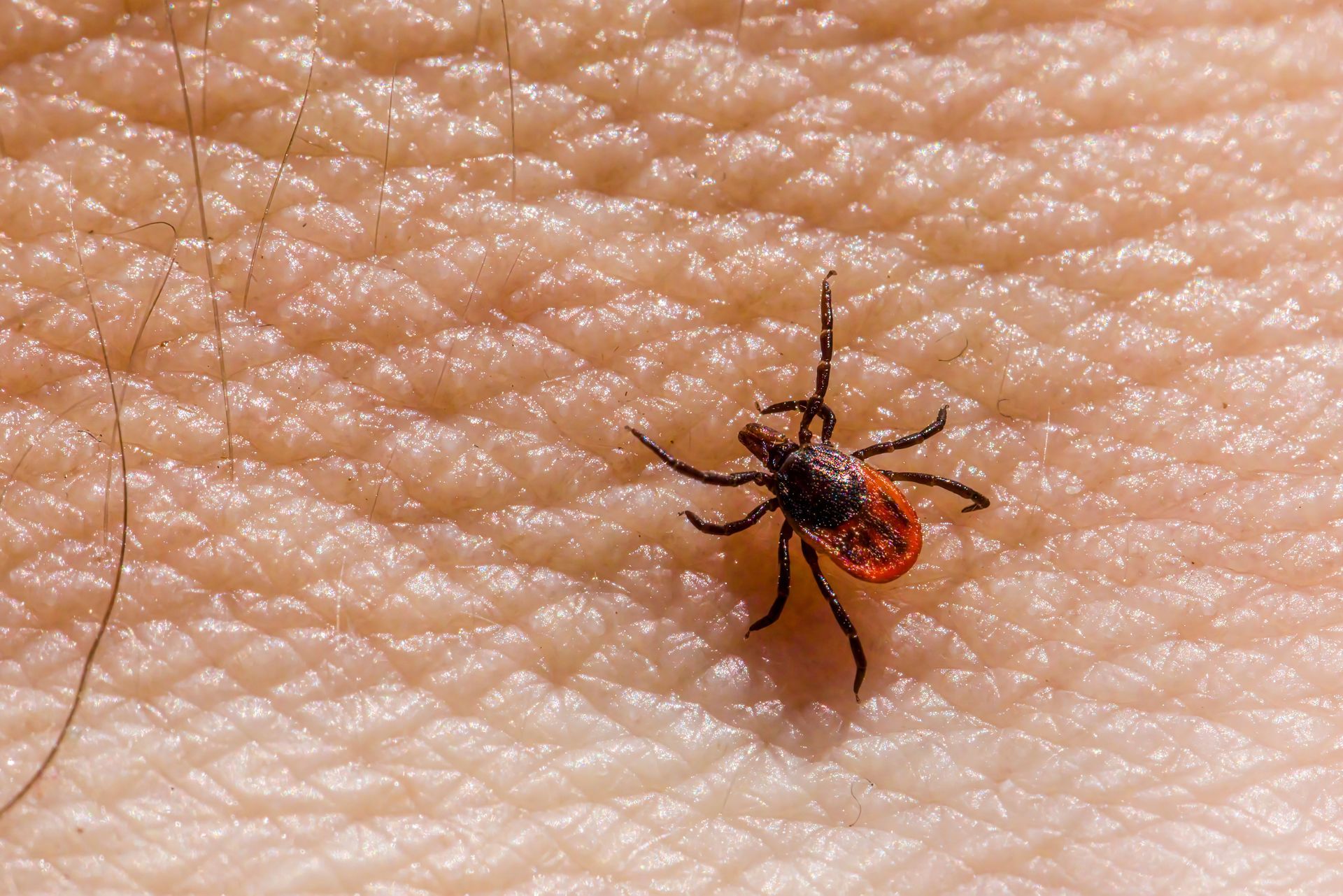
Red-and-black tick on human skin
By Leslie Stefanowicz, MSN, FNP-BC and Michael Lawrence, MD August 6, 2026
Learn how a Lone Star tick bite can trigger Alpha-gal syndrome, a rare allergy to red meat. Discover symptoms, diagnosis, and how to protect yourself.

Person and child setting a breakfast table with cereal, fruit, and drinks in a bright kitchen
July 20, 2026
Explore new food allergy treatments like Oral Immunotherapy & Biologics. Consult our experts for personalized care.