




Allergic Reactions to Stings from Hornets Wasps Bees Yellow Jackets in Dedham, MA

What Happened?

You were stung by an insect and reacted very severely to the venom that it injected. This response, called "Anaphylaxis‎," is the most severe form of an allergic reaction and can result in any combination of these symptoms:

  • Dizziness
  • Weakness or unconsciousness
  • Throat tightness or difficulty breathing
  • Itching
  • Hives of the skin
  • Generalized swelling

    The reaction usually starts minutes after the sting and can be life-threatening and occasionally fatal.


Your reaction. while severe, is not unusual. Two to five million Americans have experienced similar reactions as a result of such stings.


It's important that you know that your reaction can reoccur if you're stung again. but it can be prevented with proper medical care.

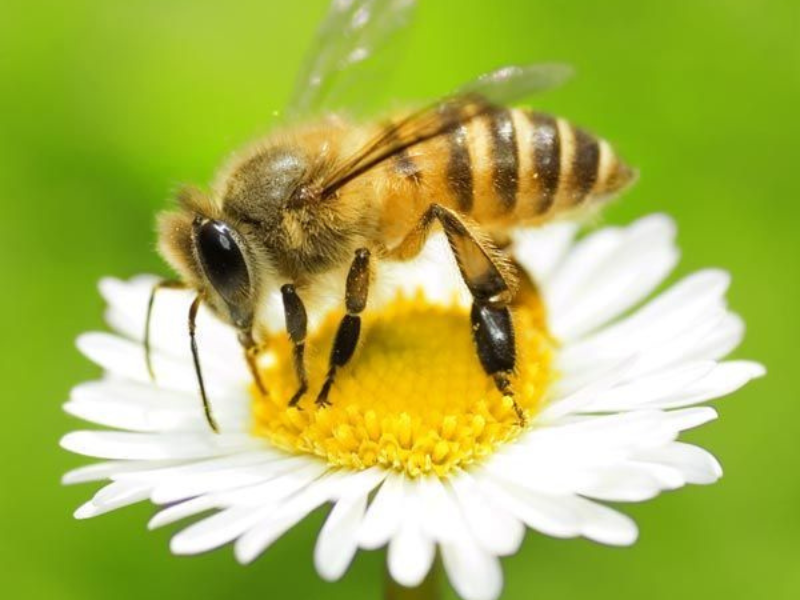
Bee on a white daisy with a yellow center against a green background
Gloved clinician collecting skin allergy test sample from arm with marked test spots

What Should I Do Now


Consult an allergist If you’ve had a frightening reaction to an insect sting, it's important to talk to an allergist, a doctor who is a specialist in diagnosing and treating allergic disease. If the allergist determines that you are allergic to insect stings, there is a 60% chance you will have another severe reaction if re-stung. But it is important to know that serious anaphylactic reactions to insect stings can be prevented from occurring by a treatment known as venom immunotherapy.

Immunotherapy

Immunotherapy (preventive immunization) to insect stings involves administering gradually increasing doses of venom that stimulates the immune system to become resistant to the allergic reaction. In a matter of weeks, people who previously lived under the constant threat of severe reactions to insect stings can go about leading normal lives.


Venom immunotherapy is an effective treatment for stinging insect allergy, but individual patients should be carefully evaluated by an allergist before a decision for treatment is reached. Some reactions are not allergic in nature at all, and in those cases immunotherapy is not indicated.


Avoidance

If you arc allergic to any of the stinging insects, your doctor can explain preventive steps to protect yourself from locations, situations, and clothing that attract these insects. In general, good common sense on avoidance measures can reduce the incidence of an insect sting.


Epinephrine

Before the immunotherapy takes effect, your doctor may instruct you (to carry a form of epinephrine for self administration. You would be instructed on how to inject this material into an appropriate site, such as your thigh, in emergencies. It is often effective in slowing or stopping the reaction, but is not always enough. In some cases, intravenous fluids, oxygen, and other treatments are necessary. The epinephrine might also be ineffective in combination with certain other medications, and over time many patients tend to forget to carry it with them. For these reasons, epinephrine should not be seen as an alternative for venom immunotherapy.D

Conclusion

While stinging insect allergy is a major problem, much of the risk and fear of a reoccurrence can be eliminated with immunotherapy treatment and basic avoidance measures. Patients who have had a severe reaction to a sting should be evaluated by an allergist for correct diagnosis and treatment of the allergic condition.

Recent Posts

Assorted yellow flowers, herbs, and supplement capsules on a yellow background
August 6, 2026
Discover how biologic medications (monoclonal antibodies) target severe asthma, eczema, nasal polyps, EoE, and hives. Learn if biologics are right for you.
Red-and-black tick on human skin
By Leslie Stefanowicz, MSN, FNP-BC and Michael Lawrence, MD • August 6, 2026
Learn how a Lone Star tick bite can trigger Alpha-gal syndrome, a rare allergy to red meat. Discover symptoms, diagnosis, and how to protect yourself.

Person and child setting a breakfast table with cereal, fruit, and drinks in a bright kitchen
July 20, 2026
Explore new food allergy treatments like Oral Immunotherapy & Biologics. Consult our experts for personalized care.
The word “DUST” written in orange on a brown sandy surface.
April 23, 2026
House dust allergies can affect anyone, even in clean homes. Contact us for expert care in managing your symptoms.
Person holding a tissue to their nose, appearing to sneeze or blow their nose.
April 23, 2026
Understand rhinitis symptoms like nasal congestion & runny nose. Get expert care for allergies. Contact us today!
Soap and green cloth on a small wall-mounted shelf against pink tiled wall
April 23, 2026
Learn about common mold types like Alternaria & Aspergillus and their impact on asthma & allergies. Contact us for expert care!

Gloved hand administering an injection into a patient’s upper arm with a syringe
April 23, 2026
Understand what to expect during your first injection visit for allergy immunotherapy. Contact us for personalized care today!
Person blowing nose with a tissue near yellow wildflowers outdoors
April 23, 2026
Learn about allergies, their symptoms, and effective management strategies. Contact us for personalized care today!

Four seasonal close-ups: snowy branches, bees on a yellow flower, white blossoms, and an orange maple leaf
April 23, 2026
Understand rhinitis types & symptoms. Explore treatment options with our expert team. Contact us for personalized care!