

Food Desensitization: Building Tolerance and Confidence
Achieve greater safety and peace of mind with advanced food desensitization protocols from our experienced allergy specialists in Dedham, Brockton, Milford, Raynham, and surrounding areas.
A New Era in Food Allergy Management
What is Food Desensitization and Who Benefits?
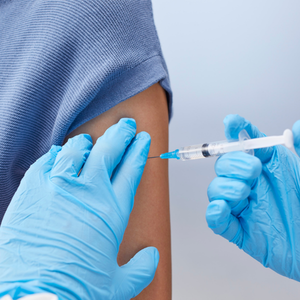
Food desensitization offers hope to individuals and families coping with the daily risks of severe food allergies. This clinical process, also known as oral immunotherapy (OIT), involves the gradual introduction of tiny, controlled amounts of the allergenic food—such as peanut, milk, or egg—under strict medical supervision. Over time, this method helps the immune system build tolerance, reducing the likelihood and severity of allergic reactions. At Asthma & Allergy Physicians, food desensitization is tailored for children and adults who have been diagnosed with IgE-mediated food allergies and desire a pathway toward safe, expanded dietary choices. Our protocol prioritizes patient safety, evidence-based practice, and education, supporting those who wish to move beyond avoidance and address the heart of food allergy risk. This service is particularly valuable for families in Dedham, Brockton, Milford, Raynham, and surrounding Massachusetts communities who want to regain confidence in daily life, school, and social activities.
Why Trust Us for Food Desensitization?
Clinical Expertise Backed by Decades of Research and Safety
With over 54 years serving Massachusetts, Asthma & Allergy Physicians stands as a regional leader in food desensitization. Our expert allergists combine advanced academic backgrounds with hands-on experience. All desensitization is performed in a controlled, monitored environment with emergency protocols in place, including a minimum observation period after each dose. Our team carefully screens each candidate, considers coexisting conditions like asthma, and provides comprehensive education so families know what to expect at every stage. By choosing our multi-location practice in Dedham, Brockton, Milford, and Raynham, patients benefit from the reassurance of a trusted medical home with deep roots in the community and a relentless commitment to advancing allergy care.
How Food Desensitization Works in Our Clinics
Step-by-Step Process for Safe and Effective Tolerance Building
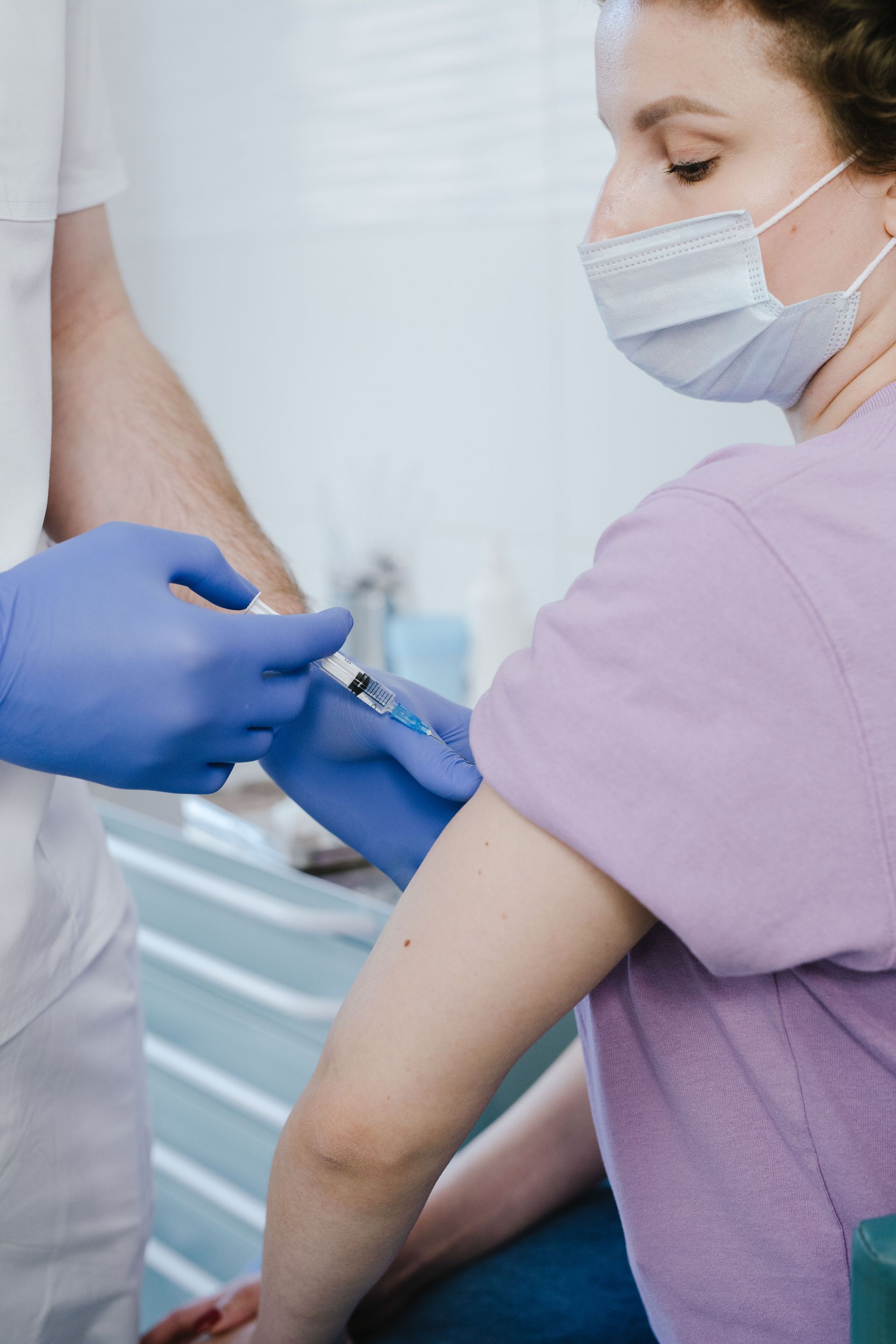
The food desensitization process at Asthma & Allergy Physicians begins with a thorough diagnostic evaluation, including skin testing and review of allergy history. Once eligibility is confirmed, patients begin an initial dose-escalation phase, during which minuscule amounts of the allergenic food are administered under direct medical supervision in our office. Each dose increase is carefully timed and monitored for any signs of reaction, with emergency medications and staff ready if needed. After reaching a target maintenance dose, patients continue regular home dosing, returning to the office for periodic assessments. Our protocols are informed by clinical research and national guidelines, and we provide clear, individualized instructions for home dosing, symptom monitoring, and when to seek help. Throughout the process, our team offers ongoing support, education, and adjustments to ensure safety and maximize success. This structured, compassionate approach helps our patients in Dedham, Brockton, Milford, and Raynham, and nearby towns make real progress toward reduced food allergy risk.
Empowering Families and Patients for Long-Term Relief
Ongoing Support for Every Stage of Food Desensitization
Navigating food allergies is a journey that extends beyond the clinic. At Asthma & Allergy Physicians, we provide comprehensive support at every step of the food desensitization process. From the first consultation to long-term follow-up, our team is committed to answering questions, addressing concerns, and adapting plans as each patient’s needs evolve. We understand the emotional burden and anxiety that food allergies can cause for both children and adults. That’s why our approach integrates education—including the allergic load—to help families understand how to manage cumulative triggers and maintain resilience. With locations in Dedham, Brockton, Milford, and Raynham, our practice is accessible for regular visits, emergencies, and ongoing care. Our goal is not just to increase food tolerance, but also to restore a sense of normalcy, security, and hope for families across Massachusetts.
Answers to Common Food Desensitization Questions
Your Food Desensitization Journey: What to Expect
What is food desensitization, and how does it work?
Food desensitization introduces small, controlled amounts of an allergen to help your body build tolerance and reduce the severity of reactions over time.
Is food desensitization safe for severe allergies?
Yes, it is performed in a controlled medical setting with close monitoring, making it a safe option for many patients with food allergies.
How long does the desensitization process take?
The process varies by patient and allergen, but it typically requires consistent visits and gradual dose increases over time to build tolerance safely.
Can children participate in food desensitization programs?
Yes, many children benefit from desensitization programs, which are carefully structured to support safety and long-term improvement.
Will I be able to eat the food normally after treatment?
Many patients can tolerate small or moderate amounts after treatment, though ongoing guidance is important to maintain results and safety.

What Patients Say About Our Food Desensitization Care
Real Stories from Families in Brockton, Milford, dedham, and Raynham Who Trust Our Expertise
Food allergy care can feel overwhelming, and hearing from other families can make a meaningful difference. If our providers have helped support your family through food desensitization or allergy management, we would love for you to share your experience.